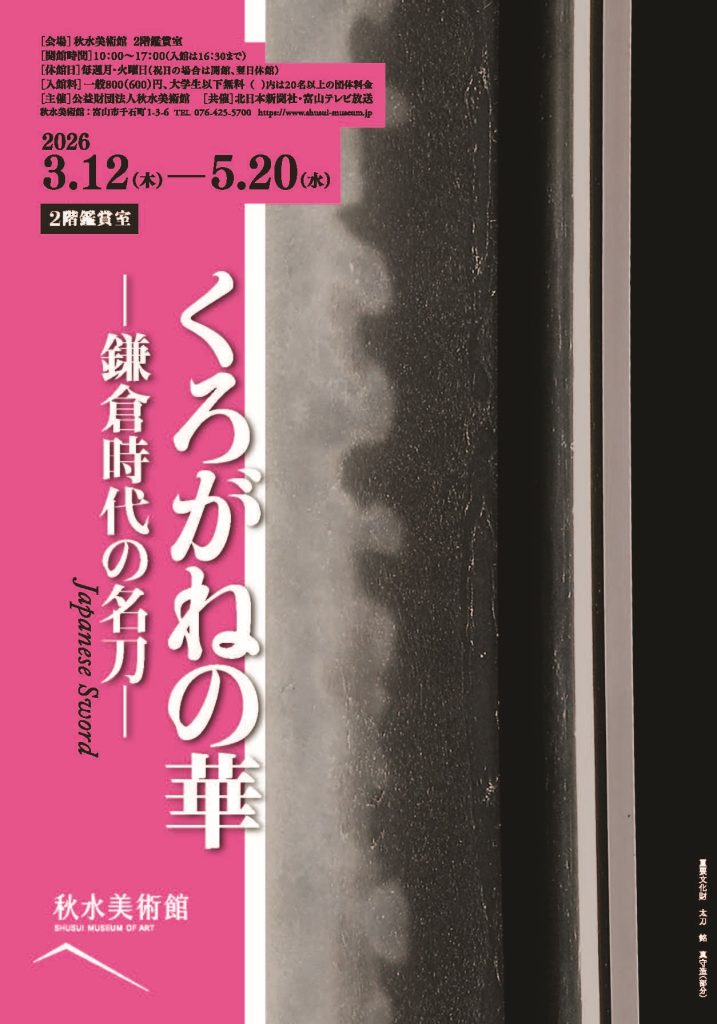
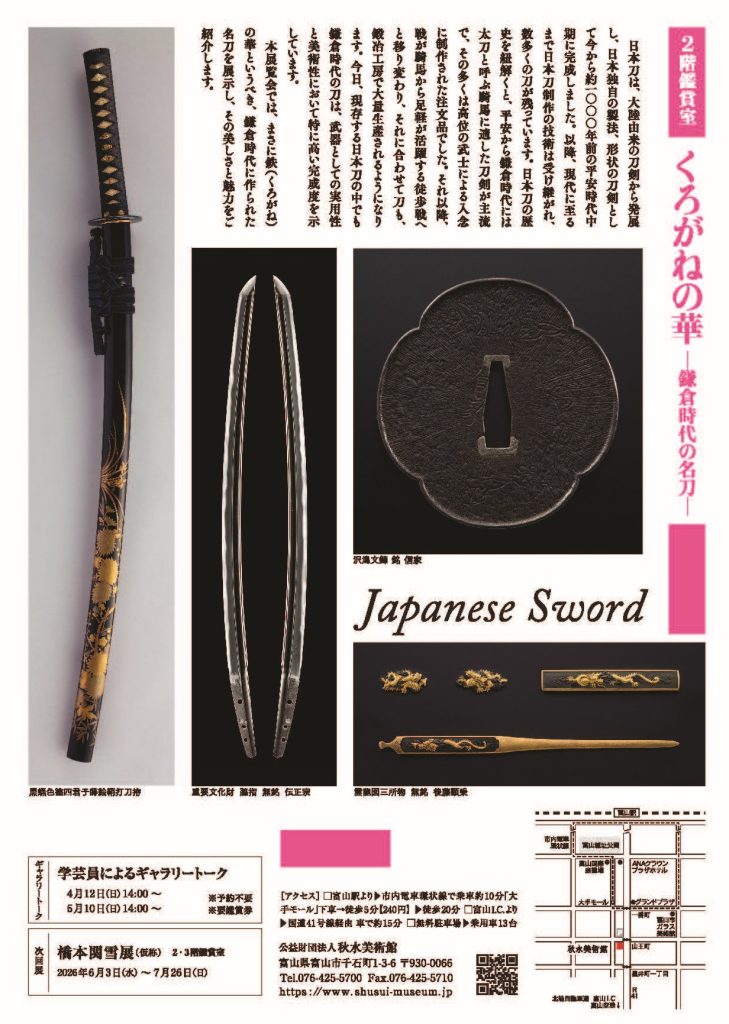
The Japanese sword evolved from continental blades to develop into a weapon of distinctly Japanese craftsmanship and form, reaching its definitive shape during the Mid Heian period (ca. 900–1050) — approximately one thousand years ago. The tradition of Japanese swordsmithing has been passed down unbroken to the present day, and a great number of swords survive from across the centuries.
Tracing the history of the Japanese sword, the Heian (794–1185) and Kamakura (1185–1333) periods were dominated by the tachi — a long, curved sword designed for mounted combat. Most of these were meticulously crafted as commissioned works for high-ranking warriors. As warfare gradually shifted from cavalry engagements to infantry battles in which foot soldiers played the central role, swords too changed accordingly, eventually being produced in large quantities in smithing workshops.
Among all surviving Japanese swords today, those from the Kamakura period (1185–1333) stand as particularly outstanding achievements, combining exceptional functional excellence as weapons with remarkable artistic refinement.
This exhibition presents a selection of masterwork swords forged during the Kamakura period (1185–1333) — true blossoms of iron — inviting visitors to discover their enduring beauty and timeless appeal.

 Back
Back